B2B marketing in regulated industries—such as finance, healthcare, insurance, cybersecurity, legal services, and energy—demands a higher standard of operational discipline. Regulatory oversight affects messaging, targeting, data handling, outreach cadence, and reporting transparency.
According to industry research, over 60% of B2B organizations operating in highly regulated sectors report that compliance requirements slow down campaign execution. Meanwhile, 70% of buyers in these sectors expect personalized engagement despite strict privacy rules. This creates a dual challenge: maintain precision and personalization while remaining fully compliant.
A successful launch framework must integrate compliance into campaign architecture from day one rather than treating it as a final review step.
Step 1: Define the Regulatory Landscape
Before building a campaign, identify the regulatory bodies and legal frameworks that apply to your target market. Common examples include:
-
Data privacy regulations (GDPR, CCPA, etc.)
-
Financial communication oversight (FINRA, SEC guidelines)
-
Healthcare data compliance (HIPAA)
-
Industry-specific advertising standards
Map out:
-
What data can be collected
-
How it can be stored
-
Whether consent is required
-
Retention timelines
-
Disclosure requirements
Create a compliance matrix aligning each campaign channel (email, paid media, LinkedIn outreach, content syndication) with its regulatory constraints.
Step 2: Align Marketing and Legal Early
In regulated environments, legal teams must be strategic partners—not bottlenecks. High-performing organizations embed compliance into the planning stage.
Best practices include:
-
Pre-approved messaging libraries
-
Disclosure templates
-
Approved claims database
-
Standardized email footers and disclaimers
-
Documented review SLAs
Organizations that implement pre-approved content repositories reduce campaign launch delays by up to 30% compared to ad-hoc approval processes.
Step 3: Build Compliant Targeting and Data Strategy
Precision targeting is essential in B2B. However, regulated industries must ensure lawful data sourcing and consent management.
Key requirements:
-
Verified B2B data sources
-
Clear opt-in documentation
-
Data processing agreements with vendors
-
Regular database hygiene
Data decay rates in B2B average 20–30% per year. In regulated industries, outdated data also increases compliance risk. Quarterly audits are recommended.
Segmentation should prioritize firmographic and role-based targeting rather than excessive personal profiling. This reduces risk exposure while preserving campaign efficiency.
Step 4: Develop Risk-Safe Messaging
Messaging in regulated industries must balance persuasion with precision. Avoid:
-
Unverified performance claims
-
Absolute guarantees
-
Vague security statements
-
Comparative claims without substantiation
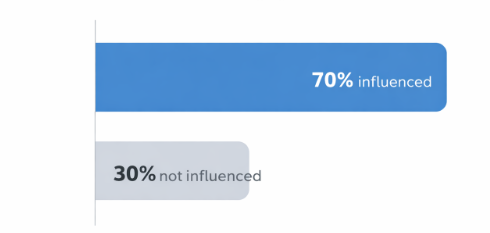
Percentage of B2B buyers who say personalization impacts their engagement decisions
Instead, focus on:
-
Process transparency
-
Compliance certifications
-
Operational safeguards
-
Case-based storytelling with documented approval
B2B buyers in regulated sectors rank trust and credibility as 40% more important than price sensitivity in vendor evaluation.
Step 5: Channel Selection Strategy
Not all channels carry equal regulatory risk.
Lower-risk channels:
-
Educational content marketing
-
Webinars
-
Thought leadership publishing
-
Account-based marketing with controlled outreach
Higher-risk channels:
-
Cold email without verified consent
-
Paid ads with performance guarantees
-
Broad audience remarketing without consent documentation
Adopt a phased approach: begin with educational and authority-building campaigns before scaling outbound efforts.
Step 6: Documentation and Audit Readiness
Every campaign in a regulated industry should be audit-ready.
Maintain:
-
Approval timestamps
-
Messaging versions
-
Consent logs
-
Data source documentation
-
Campaign targeting records
Establish a centralized campaign documentation repository. In the event of regulatory review, response speed significantly reduces legal exposure.
Step 7: Measurement Within Compliance Boundaries
Tracking and attribution must align with privacy regulations.
Recommendations:
-
Use aggregated reporting where required
-
Avoid unauthorized tracking scripts
-
Maintain cookie consent records
-
Document lawful basis for processing
While privacy-first tracking may reduce granular attribution visibility, organizations report that strategic segmentation improves lead quality by up to 25%, offsetting reduced tracking detail.
Step 8: Crisis Management Protocol
Even compliant campaigns can trigger scrutiny. Prepare a response framework:
-
Dedicated compliance escalation contact
-
Documented review trail
-
Public clarification template
-
Immediate campaign pause mechanism
Rapid response protocols reduce reputational damage and regulatory penalties.
Operational Framework Summary
To successfully launch B2B campaigns in regulated industries:
-
Map regulatory requirements before planning.
-
Integrate legal into campaign architecture.
-
Use verified, consent-based data.
-
Prioritize transparent, substantiated messaging.
-
Select channels strategically.
-
Maintain audit-ready documentation.
-
Implement compliant tracking.
-
Establish crisis response procedures.
Regulated markets often have higher barriers to entry. When compliance is operationalized effectively, it becomes a competitive advantage rather than a limitation.
Recommended Reading
For further insights on building compliant and high-performance B2B outreach systems, explore:
By treating compliance as infrastructure rather than restriction, organizations can scale confidently within regulated markets while protecting brand reputation and long-term growth.