Influencer audiences are pre-qualified communities built around trust, shared interests, and purchasing intent. Instead of broad interest targeting, reaching influencer followers allows advertisers to tap into:
-
Highly engaged niche communities
-
Established trust between creator and audience
-
Stronger purchase consideration signals
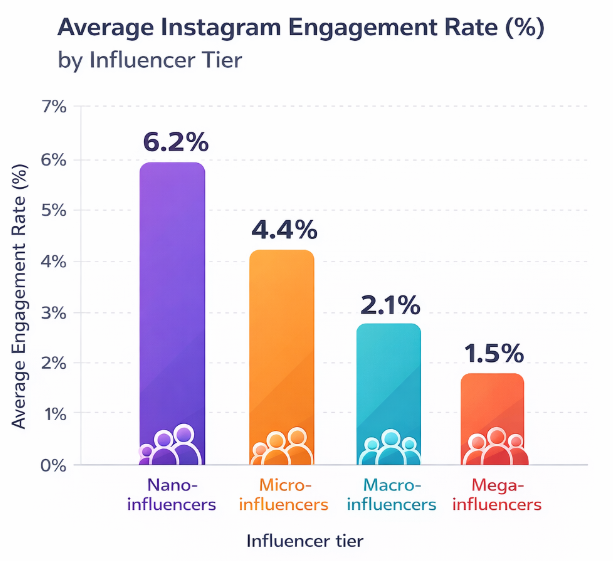
Average Instagram engagement rate (%) by influencer tier, highlighting higher engagement for smaller creator audiences
According to industry benchmarks, Instagram engagement rates for micro-influencers (10K–50K followers) often exceed 3%, while larger accounts typically average between 0.5% and 1.5%. Higher engagement generally correlates with more responsive ad audiences.
Additionally, surveys show that over 60% of Instagram users discover new products through creators, and nearly 50% report making purchase decisions influenced by influencer content.
Step 1: Define the Right Influencer Segment
Not all influencer audiences are equal. Before launching ads, segment creators by:
-
Niche relevance (fitness, SaaS, fashion, crypto, etc.)
-
Audience demographics (age, geography, language)
-
Engagement rate and audience authenticity
-
Content tone and positioning
Prioritize creators whose audience aligns with your ideal customer profile. Engagement quality often outweighs raw follower count.
Step 2: Build Custom and Lookalike Audiences
Instagram Ads (via Meta Ads Manager) allow multiple pathways to approximate influencer follower targeting:
Custom Audience Strategies
-
Website visitors who engaged with influencer-driven landing pages
-
Video viewers from influencer collaborations
-
Instagram profile engagers
-
Email lists collected through influencer campaigns
Lookalike Audiences
After building a high-quality seed audience, create lookalikes based on:
-
High-value customers
-
Purchasers from influencer campaigns
-
Engaged Instagram users
Lookalike audiences often reduce cost per acquisition by 20–30% compared to broad interest targeting when built from strong data sources.
Step 3: Use Competitor and Interest Stacking
While you cannot directly upload influencer follower lists, you can approximate their audience using:
-
Interest targeting related to the influencer’s niche
-
Brand affinity targeting
-
Behavioral segmentation (engaged shoppers, frequent buyers)
Layering multiple related interests improves precision and filters out loosely related traffic.
Step 4: Align Creative With Influencer Context
Creative consistency significantly impacts performance. Ads that visually and tonally match influencer content tend to outperform generic brand ads.
Best practices include:
-
Native-style video ads
-
User-generated content formats
-
Social proof overlays
-
Short-form vertical video (9:16)
Campaigns using UGC-style creative frequently see 29% higher conversion rates compared to polished studio ads.
Step 5: Optimize for Engagement Signals First
Instead of immediately optimizing for purchases, start by optimizing for:
-
Video views
-
Post engagement
-
Profile visits
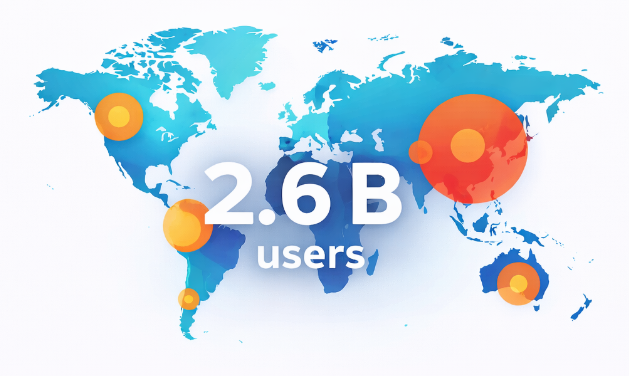
Global Instagram monthly active users show the platform’s massive reach, supporting broad influencer-aligned ad opportunities
Then retarget high-intent users with conversion-focused creatives. Multi-stage funnels consistently outperform single-step direct response campaigns.
Step 6: Monitor Key Performance Metrics
Track performance beyond CTR and CPC. Focus on:
-
Cost per engaged user
-
Conversion rate by audience segment
-
Frequency (avoid ad fatigue above 2.5–3.0 in short campaigns)
-
ROAS by influencer-based segment
Advanced segmentation allows clearer visibility into which influencer-aligned audiences drive the strongest lifetime value.
Common Mistakes to Avoid
-
Targeting large influencer audiences without validating engagement quality
-
Running identical creatives across all segments
-
Ignoring audience overlap between influencers
-
Scaling too quickly without stable performance data
Advanced Strategy: Influencer-Driven Funnel Integration
For stronger results, combine organic influencer collaborations with paid amplification:
-
Launch organic influencer content
-
Retarget engaged viewers with ads
-
Expand with lookalikes from engaged segments
-
Scale top-performing creative variations
This hybrid approach often increases conversion efficiency by 25–40% compared to standalone ad campaigns.
Final Thoughts
Reaching influencer followers with Instagram Ads requires strategic segmentation, creative alignment, and funnel-based optimization. By combining influencer audience intelligence with advanced ad targeting frameworks, brands can reduce acquisition costs and significantly improve campaign performance.