Industry-specific Facebook Groups bring together highly targeted audiences: professionals, decision-makers, and practitioners united by a shared niche. For marketers, founders, and sales teams, these communities represent a powerful channel for outreach—if approached correctly. Random promotion or aggressive messaging, however, can quickly lead to bans and brand damage. Success depends on strategy, relevance, and respect for community norms.
Why Facebook Groups Matter for B2B and Niche Outreach
Facebook Groups remain one of the most active social community formats. According to Meta’s own data, more than 1.8 billion people use Facebook Groups every month, and niche professional groups often show engagement rates 3–5x higher than public business pages. For B2B and specialized industries, this means conversations are more focused, trust develops faster, and responses to personalized outreach are significantly higher.
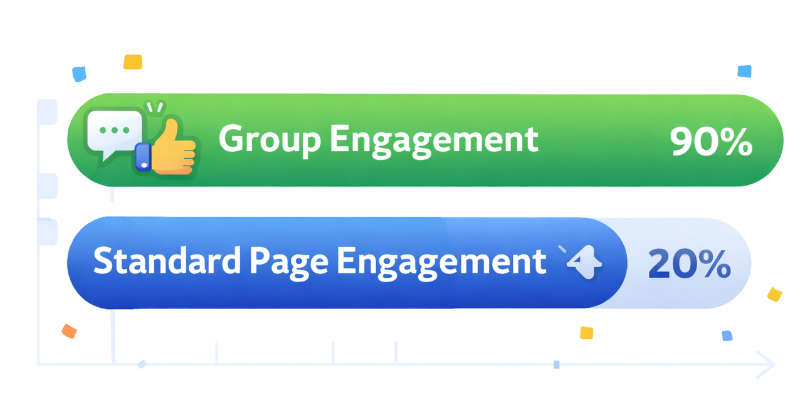
Engagement in industry-focused Facebook Groups can reach up to 90% — significantly higher than typical engagement rates on standard Facebook content
In surveys of social media marketers, over 60% report that Groups generate higher-quality leads than paid social ads when the audience is well-defined. This makes industry-specific Groups especially valuable for research, relationship building, and soft lead generation.
Step 1: Identify the Right Industry Groups
Not all Groups are equal. Start by filtering Groups using these criteria:
-
Clear industry or role focus (e.g., SaaS founders, HR managers, logistics professionals)
-
Consistent recent activity (daily or weekly posts and comments)
-
Membership size balanced with engagement (10,000 engaged members often outperform 100,000 inactive ones)
-
Transparent rules regarding promotions and direct messaging
Groups with strict moderation are often better targets—they tend to have more serious, professional members.
Step 2: Build Visibility Before Outreach
Directly messaging Group members without prior interaction is one of the fastest ways to get reported. Instead, focus on visibility first:
-
Comment thoughtfully on discussion threads
-
Answer questions with specific, experience-based insights
-
Share non-promotional resources or frameworks
-
Acknowledge other members’ contributions
Accounts that post or comment at least 3–5 times per week in a Group are statistically more likely to receive replies to private messages later, as members recognize the name and context.
Step 3: Use Profile Optimization as a Trust Signal
Before responding to a message, most users check the sender’s profile. A weak or empty profile drastically reduces response rates. Ensure your profile includes:
-
A clear professional photo
-
A concise role or industry description
-
Recent, relevant activity
-
Pinned posts or highlights that demonstrate expertise
Well-optimized profiles can improve cold message acceptance rates by up to 40%, based on outreach performance benchmarks across social platforms.
Step 4: Segment Group Members by Role and Intent
Effective outreach is never one-size-fits-all. Segment members based on observable signals:
-
Job titles or self-descriptions
-
Questions they ask in the Group
-
Tools or methods they mention
-
Frequency and type of engagement
For example, a Group member asking about scaling processes has a different intent than one discussing beginner-level challenges. Targeting messages based on these signals can double reply rates compared to generic outreach.
Step 5: Personalize Outreach Messages
Personalization is the key differentiator between spam and conversation. High-performing messages typically:
-
Reference a recent Group discussion or comment
-
Address a specific challenge mentioned by the recipient
-
Avoid links in the first message
-
End with an open, low-friction question
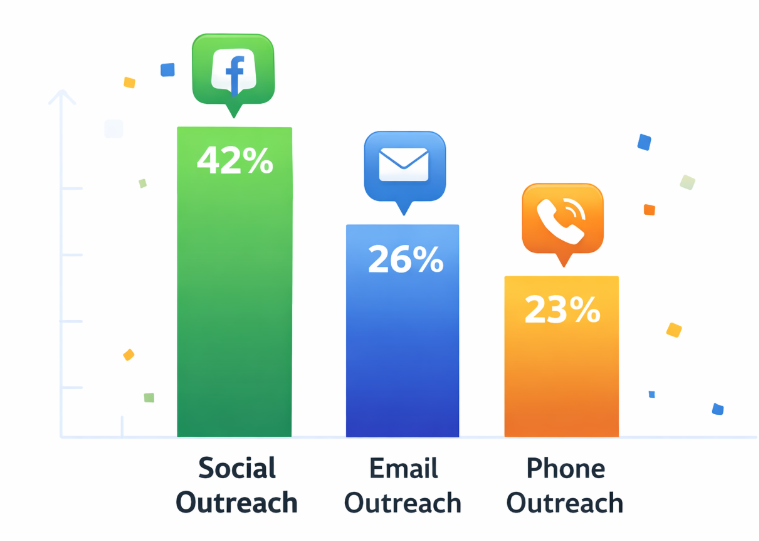
Social media outreach on platforms like Facebook can see approximately 42% response rates — outperforming email and phone outreach
Data from social selling studies shows that personalized messages receive 2–3x more replies than templated outreach, even when sent at lower volumes.
Step 6: Scale Responsibly with Automation
Manual outreach works well at small scale, but growth requires systems. When scaling, it’s critical to maintain natural behavior patterns:
-
Limit daily connection and message volume
-
Randomize timing and intervals
-
Rotate message structures
-
Monitor response and block rates
Accounts that exceed Facebook’s behavioral thresholds risk temporary restrictions or permanent bans. Sustainable outreach prioritizes consistency over speed.
Common Mistakes to Avoid
-
Posting promotional offers directly in Groups
-
Sending identical messages to multiple members
-
Ignoring Group rules or admin guidance
-
Overusing links in initial conversations
-
Treating Groups as lead lists instead of communities
These mistakes are responsible for the majority of account restrictions reported by outreach teams.
Measuring Outreach Success
Key metrics to track include:
-
Profile visit rate after Group interactions
-
Message acceptance rate
-
Reply rate
-
Meaningful conversation rate
In well-targeted industry Groups, a 20–35% reply rate is achievable with proper segmentation and personalization, far exceeding typical cold email benchmarks.
Recommended Articles for Further Reading
Final Thoughts
Industry-specific Facebook Groups are not shortcut lead sources—they are relationship-driven ecosystems. Brands and professionals who invest in visibility, relevance, and ethical outreach consistently outperform those who rely on mass messaging. When approached strategically, these Groups can become one of the most reliable channels for niche audience engagement and long-term growth.