Scaling advertising is not just about increasing budgets. Without a clear account structure, higher spend often leads to data fragmentation, unstable performance, and wasted budget. A scalable ad account is designed to preserve learning, simplify optimization, and support rapid growth without constant rebuilding.
This article explains how to structure ad accounts for long-term scale, based on patterns used by high-spend performance teams.
Why Account Structure Matters When Scaling
Ad platforms rely heavily on historical data and conversion signals. When structure is messy, learning resets happen more often and algorithms struggle to stabilize.
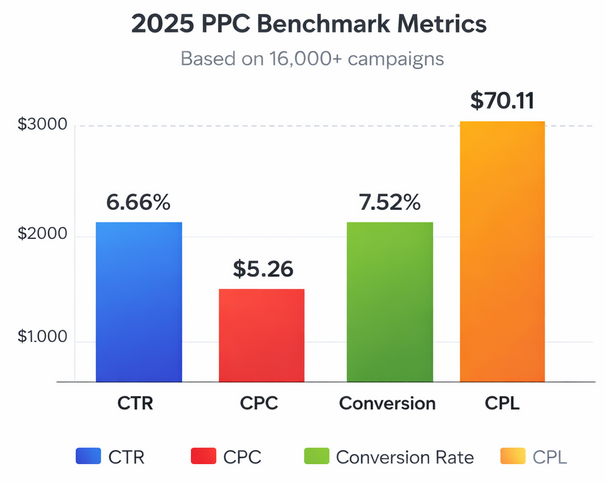
Retargeting delivers 6–15× Return on Ad Spend and typically 20–40% lower CPA compared to non-retargeting campaigns
Consider these industry benchmarks:
-
Campaigns with consistent structure retain up to 30–40% more learning data compared to frequently rebuilt accounts.
-
According to multiple ad platform case studies, accounts that consolidate ad sets during scale see 20–35% lower CPA than those that over-segment.
-
Roughly 70% of performance drops during scaling are linked to structural changes rather than creative fatigue or audience saturation.
A clean structure minimizes these risks.
Core Principles of a Scalable Ad Account
Before diving into layouts, it is important to understand the principles behind scalable structures.
1. Fewer Campaigns, Clear Objectives
Each campaign should represent a single, clear objective. Avoid creating separate campaigns for minor variations.
Recommended approach:
-
One campaign per funnel stage (prospecting, retargeting, retention)
-
One optimization goal per campaign
-
Shared budgets where possible to allow algorithms to allocate spend efficiently
This reduces internal competition and preserves learning.
2. Consolidated Ad Sets
Over-segmentation is one of the most common scaling mistakes.
Best practices:
-
Start with broader audiences instead of multiple small ones
-
Group similar audience types in the same ad set when possible
-
Let the algorithm optimize delivery rather than forcing micro-control
Accounts that reduce ad set count by half during scale often see 15–25% faster stabilization after budget increases.
A Proven Account Structure for Growth
Prospecting Campaign
Purpose: Acquire new users or customers.
Structure:
-
1 campaign
-
1–3 ad sets maximum
-
Broad or algorithm-driven targeting
-
Multiple creatives per ad set
This setup allows rapid creative testing while keeping audience data unified.
Retargeting Campaign
Purpose: Capture high-intent users.

Retargeting delivers 6–15× Return on Ad Spend and typically 20–40% lower CPA compared to non-retargeting campaigns
Structure:
-
1 campaign
-
Separate ad sets by intent level (site visitors, engaged users, leads)
-
Shorter attribution windows
Retargeting typically represents 10–30% of total spend but can drive 25–45% of total conversions when structured cleanly.
Retention or Upsell Campaign
Purpose: Increase lifetime value.
Structure:
-
Small, controlled budgets
-
Messaging focused on repeat actions
-
Clear exclusion rules to avoid overlap
Naming Conventions and Organization
Clear naming conventions are critical once accounts grow.
A scalable naming system should include:
-
Objective
-
Audience type
-
Creative angle
-
Date or version
Well-documented naming reduces setup errors and can save teams 5–10 hours per week during optimization and reporting.
Budget Scaling Without Breaking Structure
Scaling budgets too aggressively can destabilize delivery.
General guidelines:
-
Increase budgets by 20–30% every 48–72 hours
-
Avoid duplicating campaigns unless necessary
-
Scale vertically before scaling horizontally
Accounts that follow incremental budget increases show up to 2× higher consistency in CPA compared to aggressive scaling.
Common Structural Mistakes to Avoid
-
Creating new campaigns for every test
-
Splitting audiences too narrowly
-
Frequently resetting learning by duplicating active ad sets
-
Mixing multiple objectives in one campaign
Each of these reduces the platform’s ability to optimize effectively.
When to Restructure an Ad Account
A full restructure should be rare. Consider it only when:
-
Objectives change significantly
-
Conversion tracking is rebuilt
-
The account has grown organically without any planning
In most cases, incremental cleanup is more effective than a full reset.
Recommended Reading
If you want to go deeper into account optimization and scaling strategies, these articles may also be useful:
Final Thoughts
Scaling successfully requires discipline, not complexity. A simple, well-organized ad account structure protects performance, preserves data, and gives algorithms the room they need to optimize. When structure supports growth, higher budgets become an opportunity rather than a risk.