B2B prospecting has shifted from volume-based outreach to precision-based engagement. The traditional model of large, loosely defined lead lists is being replaced by structured account selection, firmographic filtering, technographic enrichment, and behavioral intent analysis.
According to recent industry research, 77% of B2B buyers describe their purchasing process as complex or difficult, and over 60% of the decision-making journey is completed before a prospect engages with a sales representative. Additionally, companies using advanced segmentation strategies report up to 20% higher sales opportunities and 15% higher revenue growth compared to peers relying on broad targeting.
The implication is clear: targeting accuracy directly influences revenue efficiency.
Why Precision Targeting Matters
1. Reduced Customer Acquisition Cost (CAC)
Poorly segmented outreach inflates CAC by allocating sales development resources to low-fit accounts. Organizations that align ideal customer profile (ICP) modeling with structured data enrichment reduce wasted outreach cycles and increase conversion rates across funnel stages.
2. Improved Conversion Rates
Account-level personalization built on firmographic and technographic attributes improves response rates significantly. Studies show that segmented and personalized campaigns can increase engagement rates by up to 50% compared to non-segmented outreach.
3. Shorter Sales Cycles
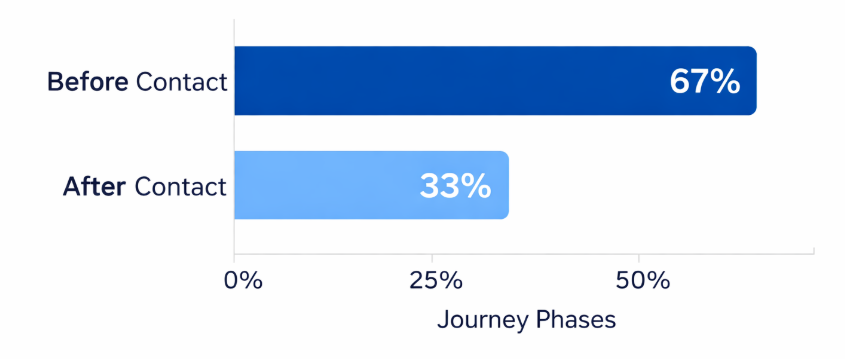
Percentage of the B2B buyer’s journey completed before prospects contact sales
Targeting accounts that match buying readiness indicators and technology compatibility reduces friction in the evaluation process. High-fit accounts move through qualification and negotiation stages faster, compressing overall sales cycle duration.
Building a High-Intent Targeting Framework
Step 1: Define a Quantitative ICP
An effective ICP goes beyond industry and company size. It includes:
-
Revenue range and growth trajectory
-
Employee headcount by department
-
Existing technology stack
-
Geographic expansion activity
-
Funding stage (if applicable)
-
Hiring velocity in relevant functions
Top-performing B2B organizations are 2.3 times more likely to use data-driven ICP models rather than static demographic descriptions.
Step 2: Segment by Buying Triggers
Trigger-based segmentation identifies accounts exhibiting behaviors correlated with purchase intent. Examples include:
-
Recent funding announcements
-
Executive leadership changes
-
Rapid headcount growth
-
New market expansion
-
Technology adoption shifts
Organizations leveraging trigger-based outreach experience 30% higher meeting booking rates compared to generic campaigns.
Step 3: Integrate Technographic Intelligence
Understanding a company’s software ecosystem is essential in competitive positioning. Technographic filtering enables teams to:
-
Identify integration compatibility
-
Detect competitor tool usage
-
Prioritize accounts with complementary infrastructure
This level of targeting enhances messaging relevance and reduces technical objections later in the sales cycle.
Step 4: Score and Prioritize Accounts
Account scoring models should combine:
-
Firmographic fit
-
Behavioral intent indicators
-
Engagement data
-
Historical win-rate similarity
Weighted scoring systems allow revenue teams to allocate outbound resources strategically rather than evenly.
Data Hygiene and Enrichment as a Competitive Advantage
Data decay remains one of the most underestimated threats in prospecting operations. Industry benchmarks suggest that B2B contact data decays at a rate of 20–30% per year due to job changes, company restructuring, and domain updates.
Without continuous enrichment and validation processes, even well-designed ICP models degrade rapidly.
High-performing revenue operations teams implement:
-
Automated data refresh cycles
-
Multi-source validation
-
Duplicate suppression protocols
-
Role-based filtering logic
Maintaining clean datasets directly improves deliverability, reduces bounce rates, and preserves sender reputation.
Aligning Sales and Marketing Around Target Accounts
Precision targeting is not solely a sales function. Marketing teams must align paid acquisition, content strategy, and retargeting efforts with the same ICP definitions used by outbound teams.
Organizations with strong sales and marketing alignment achieve 19% faster revenue growth and 15% higher profitability compared to misaligned teams.
A shared targeting architecture ensures:
-
Consistent messaging
-
Coordinated outreach sequencing
-
Unified attribution tracking
-
Improved account penetration depth
Measuring Targeting Effectiveness
Key performance indicators for precision prospecting include:
-
ICP match rate
-
Meeting-to-opportunity conversion rate
-
Opportunity win rate by segment
-
Average deal size by ICP tier
-
Sales cycle duration by account score
Continuous analysis allows refinement of segmentation criteria and trigger prioritization.
Conclusion
Precision targeting is no longer optional in B2B growth strategy. As buyer journeys become increasingly autonomous and data-driven, revenue teams must adopt structured, quantitative frameworks for identifying and activating high-intent accounts.
Organizations that invest in enriched data, technographic intelligence, trigger monitoring, and scoring systems consistently outperform volume-based prospecting models in both efficiency and revenue predictability.
The competitive advantage belongs to teams that treat targeting not as list building, but as a disciplined revenue engineering process.