Seasonal buying cycles materially impact outreach performance. Across multiple B2B sectors, Q2 typically marks the beginning of accelerated sales activity as budgets reopen and strategic initiatives move from planning to execution.
Key market indicators:
-
B2B companies generate approximately 40% of their annual revenue in Q2 and Q3 combined.
-
Digital advertising CPMs often increase by 15–25% between late Q1 and mid-Q2 due to higher competition.
-
Email response rates can decline by up to 18% once peak campaign season begins.
Organizations that identify and engage new prospects in early spring benefit from:
-
Lower acquisition costs
-
Higher reply rates
-
Reduced competitive noise
-
Longer deal-nurturing windows before fiscal midpoints
Step 1: Reassess Your Ideal Customer Profile
Spring prospecting should begin with recalibrating your Ideal Customer Profile (ICP). Markets evolve quickly. New funding rounds, mergers, regulatory shifts, and product launches can reshape buyer priorities within months.
Conduct a structured ICP audit:
-
Analyze closed-won accounts from the previous 6–12 months
-
Identify verticals with the shortest sales cycles
-
Evaluate company size bands with the highest lifetime value
-
Detect geographic clusters showing emerging demand
This process frequently reveals overlooked micro-segments that competitors have not yet saturated.
Step 2: Use Data Enrichment to Surface Hidden Segments
Modern prospecting relies on enriched firmographic and technographic data. Rather than targeting broad industries, refine segmentation based on operational signals such as:
-
Hiring velocity in specific departments
-
Technology stack adoption
-
Recent funding events
-
Leadership changes
-
Market expansion announcements
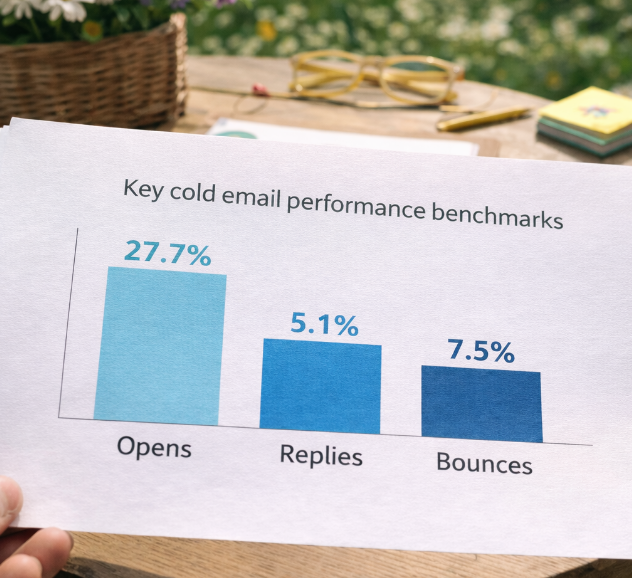
Key cold email performance benchmarks: opens, replies, and bounce rates
For example, companies that recently secured Series A or Series B funding are statistically more likely to invest in growth infrastructure within 90–180 days post-announcement.
By layering multiple data signals, you reduce randomness and prioritize accounts exhibiting actionable intent.
Step 3: Identify Seasonal Pain Points
Spring often coincides with:
-
Annual planning revisions
-
Mid-year performance reviews
-
Budget reallocations
-
Strategic hiring initiatives
Prospecting messages should reflect this temporal context. Generic value propositions underperform compared to seasonally aligned messaging that addresses:
-
Scaling challenges
-
Pipeline acceleration goals
-
Operational efficiency targets
-
Revenue diversification strategies
Seasonal relevance can improve response rates by 20% or more when messaging aligns with current organizational priorities.
Step 4: Test New Vertical Expansions Early
Spring is ideal for controlled experimentation. Before competition intensifies, allocate 10–20% of outbound capacity to test adjacent verticals.
Execution framework:
-
Select 2–3 adjacent industries.
-
Build targeted prospect lists based on enriched criteria.
-
Deploy customized messaging per vertical.
-
Measure reply rate, meeting conversion rate, and opportunity creation rate.
-
Double down on top-performing segments by late Q2.
Early testing prevents over-concentration in oversaturated industries later in the year.
Step 5: Optimize Multichannel Outreach Cadence
Relying solely on email limits reach. Spring prospecting should incorporate:
-
LinkedIn connection sequencing
-
Targeted email campaigns
-
Strategic follow-up calls
-
Retargeting campaigns for engaged accounts
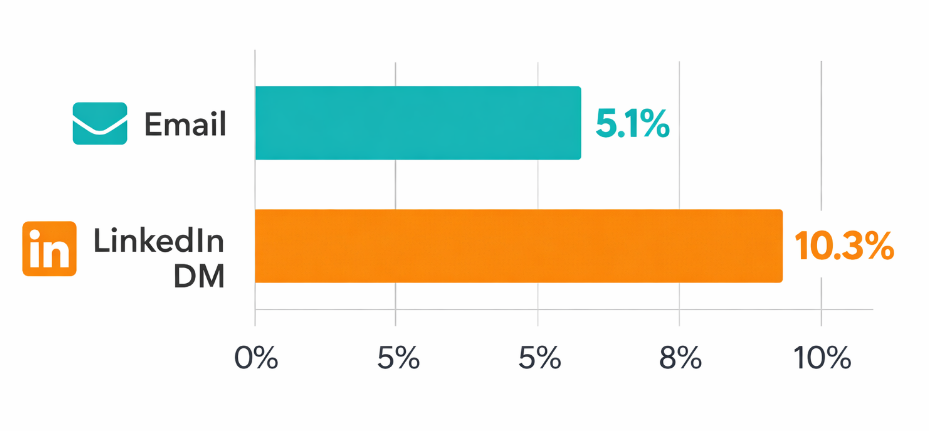
Average B2B outreach response rates by channel — LinkedIn DMs outperform cold emails
Research indicates that multichannel outreach can increase meeting booking rates by up to 287% compared to single-channel strategies.
However, cadence discipline is essential. Maintain structured intervals between touchpoints and adjust based on engagement signals.
Step 6: Prioritize Data Hygiene Before Scale
Before scaling prospecting campaigns, audit data quality. Outdated contact information, role changes, and duplicate records degrade performance metrics and damage sender reputation.
Implement:
-
Email verification protocols
-
Quarterly database cleansing
-
Role validation checks
-
Bounce rate monitoring
Even a 5% improvement in data accuracy can significantly increase effective deliverability and ROI.
Measuring Spring Prospecting Success
Define leading indicators beyond revenue:
-
Positive reply rate
-
Qualified meeting rate
-
Cost per opportunity
-
Pipeline velocity
-
Segment-specific conversion rates
Track performance weekly during early campaigns. Agile iteration in March and April yields compound returns by mid-year.
Strategic Advantage: Acting Before the Crowd
Prospecting effectiveness declines as markets saturate. When competitors increase outreach volume in late Q2, inbox fatigue and advertising costs escalate. Organizations that secure attention earlier benefit from first-mover positioning within their target segments.
Spring prospecting is not about increasing volume. It is about increasing precision before competitive intensity peaks.
Recommended Reading
For additional strategies on optimizing outbound performance and segmentation, explore:
-
From Cold Traffic to Qualified Leads: A Full-Funnel Blueprint
-
How Influencers and Creators Can Monetize Instagram Follower Audiences
By aligning data intelligence, seasonal timing, and disciplined experimentation, organizations can enter Q2 with validated new audiences and a stronger, more diversified pipeline.