
In B2B advertising, the majority of high-value conversions happen offline. Enterprise contracts are signed after sales calls, in-person meetings, product demos, procurement approvals, and lengthy negotiations. Yet many marketing teams still optimize campaigns solely around online form fills, demo requests, or gated content downloads.
This creates a structural attribution gap.
According to Gartner, 77% of B2B buyers describe their purchasing process as complex or difficult. Additionally, Forrester reports that B2B purchase decisions typically involve 6–10 stakeholders. These realities make it clear: the final conversion rarely occurs at the same moment as the first click.
To evaluate advertising performance accurately, organizations must track offline conversions and feed that intelligence back into their marketing systems.
What Are Offline Conversions in B2B?
Offline conversions are measurable business outcomes that occur outside digital advertising platforms. Common examples include:
-
Closed-won deals recorded in CRM
-
Signed enterprise contracts
-
Sales-qualified opportunities
-
Inbound phone-call conversions
-
In-person event meetings that lead to pipeline creation
-
Channel partner–generated revenue
In B2B environments, these conversions often represent the only metrics that truly matter: revenue, pipeline velocity, and customer acquisition cost.
Why Tracking Offline Conversions Is Critical
1. Accurate ROI Measurement
Digital ad platforms optimize toward the signals they receive. If only form fills are tracked, campaigns will optimize toward lower-friction leads rather than high-intent buyers.
HubSpot research shows that only 27% of leads sent to sales are fully qualified. Without offline tracking, marketing teams cannot distinguish between low-quality and revenue-generating leads.
By feeding closed-deal data back into advertising platforms, algorithms learn which accounts and behaviors correlate with revenue.
2. Improved Lead Scoring Models
Offline conversion data strengthens predictive scoring systems. When CRM opportunity stages and revenue outcomes are connected to original campaign sources, marketers can identify:
-
High-converting industries
-
Company size thresholds
-
Decision-maker roles
-
Campaign types that influence pipeline
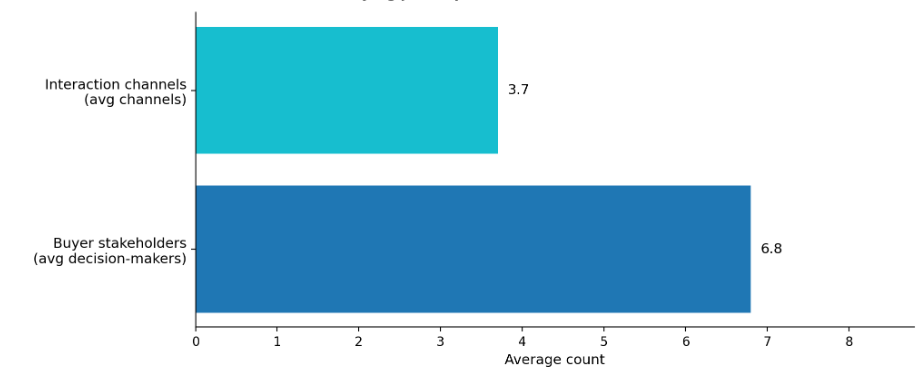
B2B purchases typically involve nearly seven decision-makers, highlighting why offline conversions and multi-touch attribution matter in complex sales cycles
This allows for more precise segmentation and budget allocation.
3. Shorter Sales Cycles Through Better Targeting
McKinsey reports that companies using advanced analytics in marketing and sales see 15–20% increases in marketing ROI. One of the drivers is the alignment between advertising data and CRM outcomes.
Offline tracking ensures campaigns are optimized for accounts likely to close faster.
Core Methods for Tracking Offline Conversions
CRM Integration with Ad Platforms
The most reliable approach is syncing CRM lifecycle stages back to advertising platforms. This typically includes:
-
Lead creation
-
Marketing-qualified lead (MQL)
-
Sales-qualified lead (SQL)
-
Opportunity
-
Closed-won revenue
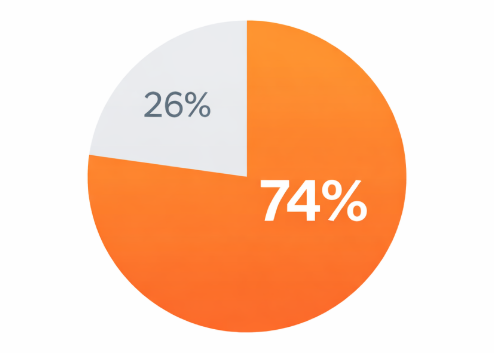
A majority of B2B purchasers complete most of their research online before converting offline, underscoring the importance of tracking those digital touchpoints
The integration can be automated through APIs or scheduled uploads. The key requirement is consistent data hygiene: standardized naming conventions, accurate source tracking, and clean contact-account mapping.
Unique Identifiers and Click IDs
Capturing click identifiers (such as ad click IDs) during the initial interaction enables deterministic matching later when a deal closes.
Without a unique ID, offline attribution becomes probabilistic and significantly less precise.
Call Tracking and Conversation Intelligence
For B2B companies that generate inbound phone leads, call tracking software assigns dynamic numbers tied to campaigns. When calls convert into opportunities, the associated campaign receives credit.
Conversation intelligence platforms can also tag high-intent calls and feed that signal into reporting systems.
Event and Trade Show Attribution
Trade shows remain influential in enterprise B2B. To attribute revenue accurately:
-
Use badge scans linked to CRM records
-
Tag event-sourced leads distinctly
-
Track opportunity creation within a defined attribution window
Offline conversion tracking ensures that event-driven pipeline is connected to prior digital engagement.
Overcoming Common Challenges
Data Silos
Marketing automation, CRM, advertising platforms, and analytics tools often operate independently. Without integration, revenue attribution becomes fragmented.
Solution: Establish a centralized data layer or customer data platform that unifies touchpoints.
Long Sales Cycles
B2B sales cycles can extend 3–12 months or longer. Attribution windows in ad platforms may not naturally accommodate this timeline.
Solution: Implement recurring revenue uploads and maintain consistent historical data syncing.
Multi-Touch Complexity
According to Demand Gen Report, B2B buyers consume an average of 13 pieces of content before making a purchase decision. Single-touch attribution models fail to reflect this journey.
Solution: Adopt multi-touch attribution frameworks that include both online and offline milestones.
Building a Closed-Loop Measurement Framework
A mature offline conversion tracking system includes:
-
End-to-end UTM governance
-
CRM field standardization
-
Automatic lifecycle stage syncing
-
Revenue data uploads
-
Multi-touch attribution modeling
-
Regular data audits
This structure transforms advertising platforms from lead generators into revenue optimization engines.
Key Metrics to Monitor
When offline tracking is implemented correctly, marketing teams should monitor:
-
Cost per opportunity
-
Cost per closed-won deal
-
Pipeline value by campaign
-
Revenue per account segment
-
Sales cycle length by acquisition source
These metrics provide executive-level visibility into true marketing contribution.
Strategic Impact on B2B Growth
Organizations that connect offline revenue outcomes to digital campaigns gain three competitive advantages:
-
Budget efficiency through algorithmic optimization
-
Stronger marketing–sales alignment
-
More accurate forecasting
In complex B2B environments, optimization without revenue data is incomplete. Offline conversion tracking closes the loop.
Conclusion
B2B advertising success cannot be measured solely through online engagement metrics. The most valuable conversions occur after multiple human interactions, negotiations, and decision-making cycles.
Tracking offline conversions ensures that campaigns are evaluated based on revenue impact, not surface-level engagement. With proper CRM integration, identifier capture, and structured attribution modeling, marketing teams can move from lead generation to measurable revenue acceleration.