When a campaign launches, the platform's delivery system enters an aggressive learning phase. During this period, the algorithm explores multiple audience segments and placements to identify potential conversion opportunities. Because of this exploratory behavior, spending can accelerate significantly during the first hours.
Several factors commonly contribute to rapid budget consumption:
1. Large Audience Size
Broad audiences allow the system to find impressions very quickly. If targeting is too wide, the platform may deliver ads across many placements simultaneously, increasing spend velocity.
2. High Bid or Aggressive Bidding Strategy
Campaigns using highest‑volume bidding or high bid caps may win auctions frequently. As a result, the system spends budget rapidly before performance data stabilizes.
3. Automatic Placements
When ads run across all placements, the system distributes impressions across feeds, stories, reels, and partner networks. This expanded inventory can accelerate delivery and budget usage.
4. Campaign Budget Optimization
With campaign‑level budgets, the system shifts spending toward ad sets that show early engagement signals. This may cause certain ad sets to spend a large share of the budget immediately.
Statistics About Early Campaign Spending
Industry data highlights how quickly budgets can move during the learning stage:
-
Around 60–70% of campaign learning occurs within the first 24–48 hours, meaning early delivery is intentionally aggressive.
-
Campaigns that exit the learning phase typically require about 50 conversion events per week per ad set.
-
Ads optimized for conversions can experience up to 40% higher cost volatility during the first 24 hours compared with later stages.
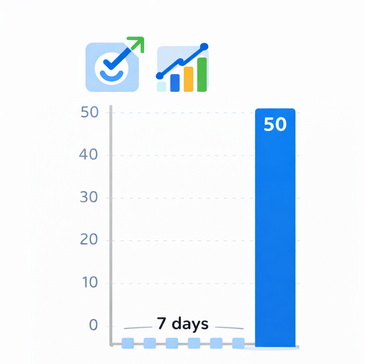
Facebook ads typically need around 50 conversion events within 7 days to stabilize delivery and exit the learning phase
These numbers show that early spend spikes are not unusual, but they still require monitoring to avoid inefficient budget allocation.
What to Do If Spend Accelerates Too Quickly
If a campaign consumes budget too rapidly in the first day, several adjustments can slow delivery while maintaining optimization.
Reduce Daily Budget Temporarily
Lowering the daily budget allows the algorithm to continue learning while limiting risk. Budgets can be increased again after stable performance data appears.
Narrow Audience Targeting
Refining audience parameters reduces the number of auctions the system participates in. Consider narrowing by interests, behaviors, or custom audiences.
Switch to Ad Set Budget Control
Moving budget control from campaign level to ad set level can prevent a single ad set from absorbing most of the budget during the early learning phase.
Adjust Bid Strategy
Setting a cost cap or bid cap can limit aggressive bidding behavior. This approach often slows spend velocity while preserving targeting quality.
Limit Placements
Restricting placements to high‑performing channels such as the main feed can slow delivery and improve cost efficiency during the first testing stage.
Preventing Rapid Spend in Future Campaigns
Experienced advertisers often design campaigns specifically to manage early‑stage spending behavior.
Start With Smaller Test Budgets
Launching with a modest budget allows time to evaluate performance before scaling.
Use Multiple Ad Sets for Controlled Testing
Dividing audiences into structured ad sets enables better control of how budget is distributed.
Monitor Performance in the First 6–12 Hours
Early monitoring helps identify abnormal spending patterns quickly so adjustments can be made before large amounts of budget are used.
Conclusion
Fast spending in the first 24 hours is a common result of the platform's learning process. However, advertisers should not ignore dramatic budget spikes. By controlling audience size, bid strategies, placements, and budget structure, it is possible to maintain efficient delivery while allowing the algorithm enough room to optimize performance.
Careful monitoring during the early hours of a campaign ensures that budgets are used strategically and that performance data reflects genuine audience response rather than uncontrolled initial delivery.