Optimization cycles are the backbone of any performance-driven system, whether in marketing automation, sales outreach, or algorithmic decision-making. These cycles rely on accumulated data, iterative testing, and gradual refinement. When they reset without warning, the consequences can be both immediate and long-term.
A sudden reset can erase learned patterns, disrupt targeting accuracy, and force systems back into exploratory phases. For organizations operating at scale, even a brief disruption can translate into measurable losses in efficiency and revenue.
Why Optimization Cycles Reset
1. Data Disruptions
Incomplete, corrupted, or delayed data streams are one of the most common causes of reset events. When systems detect inconsistencies, they may revert to default states to maintain integrity.
According to industry reports, up to 23% of performance anomalies in automated systems are linked to data pipeline issues.
2. Algorithmic Threshold Triggers
Many optimization systems include built-in safeguards. If performance metrics fall outside predefined thresholds, the system may initiate a reset to recalibrate.
This is particularly common in environments where machine learning models are used. Approximately 35% of ML-driven optimization workflows include automated reset conditions tied to anomaly detection.
3. Configuration Changes
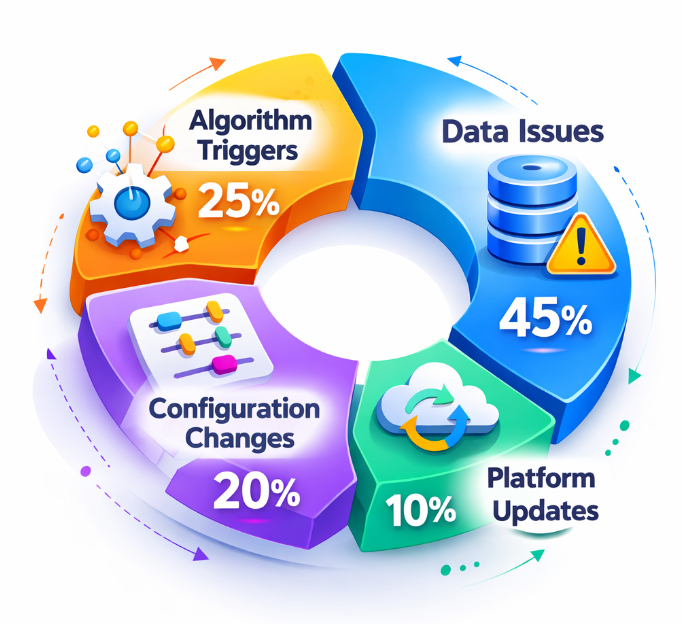
Data issues and automated system triggers are among the most common causes of unexpected optimization resets
Manual or automated changes to campaign structures, targeting parameters, or segmentation logic can invalidate previously learned data.
Even small adjustments—such as modifying audience filters—can lead to partial or full resets in optimization cycles.
4. Platform-Level Updates
System updates, infrastructure changes, or backend upgrades can unintentionally reset optimization states.
A 2024 survey found that 18% of unexpected performance drops were associated with undocumented platform updates.
The Impact of Unexpected Resets
Loss of Historical Learning
Optimization systems depend on historical data to refine decision-making. When cycles reset, this accumulated knowledge is effectively discarded.
Temporary Performance Decline
After a reset, systems re-enter a learning phase. During this period, performance metrics often drop.
Organizations report an average performance decrease of 20–30% during the first 3–7 days following a reset.
Budget Inefficiency
Exploratory phases require broader testing, which can increase costs without immediate returns. This leads to inefficient budget allocation.
Delayed Decision-Making
With disrupted data continuity, it becomes harder to draw reliable conclusions. This delays strategic decisions and slows down optimization timelines.
How to Detect a Reset Early
Sudden Metric Volatility
Sharp fluctuations in key metrics—such as conversion rates or engagement levels—can signal a reset.
Reversion to Baseline Performance
If performance metrics suddenly resemble early-stage results, it may indicate that the system has lost its learned optimizations.
Increased Variability in Outputs
A spike in variability across campaigns or segments often reflects a system re-entering its exploratory phase.
Strategies to Mitigate the Impact
1. Implement Data Integrity Monitoring
Establish real-time monitoring for data pipelines to detect inconsistencies before they trigger resets.
2. Use Controlled Experimentation
Limit the number of simultaneous changes in your system. Controlled testing reduces the likelihood of triggering resets.
3. Maintain Configuration Versioning
Track and document all configuration changes. This allows for quick rollback if a reset occurs.
4. Segment Risk Across Campaigns
Avoid applying major changes across all campaigns at once. Diversification helps contain potential disruptions.
5. Build Recovery Protocols
Prepare predefined recovery strategies to accelerate the post-reset learning phase.
Preventing Future Resets
While not all resets can be avoided, their frequency and impact can be significantly reduced.
-
Regularly audit system configurations
-
Validate data inputs before processing
-
Monitor platform updates and release notes
-
Establish clear thresholds for automated triggers
Organizations that implement structured monitoring and governance frameworks reduce unexpected resets by up to 40%.
Recommended Reading
Conclusion
Unexpected resets in optimization cycles are more than technical inconveniences—they are strategic risks. By understanding their causes, recognizing early warning signs, and implementing robust mitigation strategies, organizations can maintain stability and preserve performance gains.
Proactive management is the difference between a temporary setback and sustained growth.