
In complex systems—whether digital platforms, algorithms, or operational workflows—small edits can lead to significant performance changes. A minor tweak in code, configuration, messaging, or process can sometimes double performance metrics, while in other cases it can cause unexpected drops.
These outcomes are not random. They are the result of tightly interconnected variables where small changes propagate through systems in nonlinear ways.
Understanding why this happens helps organizations identify which changes matter, measure impact correctly, and avoid costly mistakes.
The Compounding Effect of Small Variables
Many modern systems contain hundreds or thousands of variables interacting simultaneously. Even minor adjustments can alter how these variables interact.
For example, in digital environments, performance metrics can shift dramatically due to small adjustments:
-
Research from Microsoft shows that a 100 millisecond delay in page load time can reduce conversion rates by 7%.
-
Google reported that increasing page load time from 1 second to 3 seconds increases bounce probability by 32%.
-
Studies on A/B testing show that small UI changes can improve conversion rates by up to 20% when they affect user perception or trust.
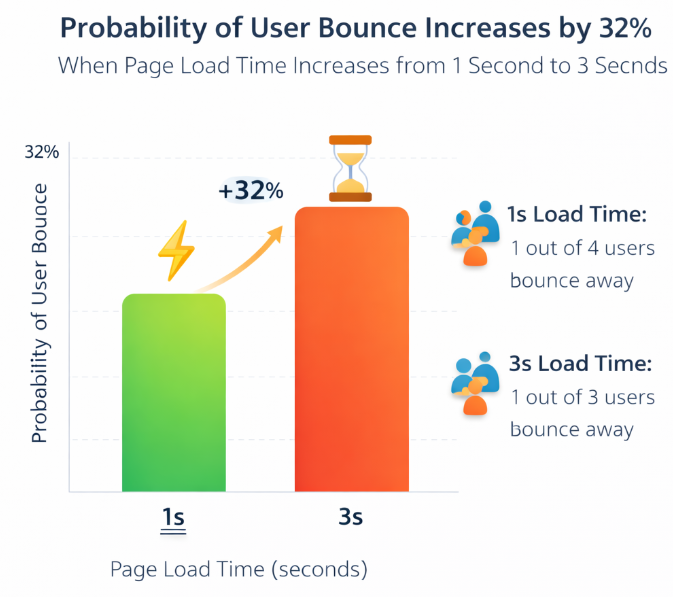
Small technical changes can have large behavioral effects. Increasing page load time from one second to three seconds raises the probability of users leaving a page by 32%
These changes appear small individually but create cascading effects across user behavior and system responses.
Sensitivity in Complex Systems
Complex systems often exhibit high sensitivity to initial conditions. A small adjustment at the beginning of a workflow can amplify downstream.
This sensitivity occurs because:
-
Components interact with each other
-
Feedback loops amplify small signals
-
User behavior adapts quickly to new patterns
In practice, a minor edit can alter engagement, which then influences algorithms, exposure, or resource allocation.
Over time, these compounding reactions create measurable performance shifts.
Hidden Dependencies
Many performance changes happen because edits unintentionally affect hidden dependencies.
Examples include:
-
A wording change that alters user intent
-
A formatting tweak that affects readability
-
A configuration adjustment that changes system prioritization
Organizations frequently underestimate these dependencies. According to a study by the Project Management Institute, more than 52% of performance deviations originate from underestimated system interactions rather than direct errors.
Recognizing these dependencies helps teams anticipate side effects before deploying changes.
Measurement Lag and Misinterpretation
Another reason small edits cause confusion is measurement lag.
Performance metrics rarely respond instantly. Some effects emerge gradually as user behavior adapts or as systems recalibrate.
Because of this delay, teams sometimes misattribute performance shifts to the wrong change.
Research from Harvard Business School indicates that over 40% of operational improvements are initially misattributed due to delayed feedback loops.
Careful monitoring and controlled experiments help isolate the true drivers behind performance changes.
The Role of Incremental Optimization
While small edits can create unexpected disruptions, they are also the foundation of continuous improvement.
High-performing organizations rely heavily on incremental optimization rather than large redesigns.
For example:
-
Companies running continuous experimentation programs conduct hundreds of small tests each year.
-
Mature experimentation teams report 10–30% annual performance improvement driven primarily by incremental changes.
This approach reduces risk while steadily improving outcomes.
How to Manage Small Changes Effectively
To benefit from small edits while minimizing negative effects, teams should follow several practices:
1. Test Changes in Controlled Environments
Running controlled experiments allows teams to measure the direct impact of each change before deploying it widely.
2. Track Leading Indicators
Monitoring early signals—such as engagement metrics, error rates, or response times—helps detect emerging shifts before they escalate.
3. Document System Interactions
Maintaining visibility into system dependencies makes it easier to predict how a small change may propagate.
Conclusion
Small edits rarely exist in isolation. In interconnected systems, they can trigger cascading effects that amplify or dampen performance outcomes.
Understanding system sensitivity, hidden dependencies, and feedback loops enables organizations to interpret performance changes correctly and use small improvements strategically.
When managed carefully, incremental edits become one of the most reliable drivers of sustained performance gains.
Suggested Articles for Further Reading