
Seasonality affects buyer behavior more than many organizations realize. Q1 planning cycles conclude, new initiatives launch, and decision-makers revisit vendor relationships in early Q2. Spring provides a strategic opportunity to re-qualify your audiences, validate intent signals, and refine segmentation before mid-year acceleration begins.
Failing to re-qualify audiences can result in wasted ad spend, inflated acquisition costs, and sales outreach directed at disengaged or outdated contacts. By contrast, a structured spring re-qualification process strengthens pipeline quality and improves conversion efficiency across channels.
Why Spring Is Strategically Advantageous
1. Budget Realignment and New Priorities
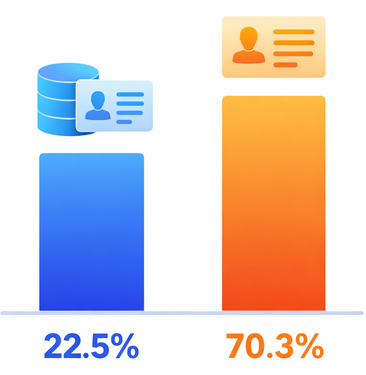
Annual decay rates for B2B contact data span from 22.5% to 70.3%, underscoring how rapidly database accuracy can deteriorate without re-qualification strategies
According to Gartner research, a significant portion of B2B organizations finalize budget reallocations during Q1, with execution ramping up in Q2. This means buyer priorities often shift between January and April. Contacts who were unqualified or inactive in winter may now have new mandates, while previously engaged prospects may have deprioritized your category.
Re-qualification during spring ensures your messaging reflects updated budget authority, project timelines, and purchasing intent.
2. Data Decay Is a Constant Risk
B2B data decays at an estimated rate of 2–3% per month. Over a quarter, this can translate into 6–9% of records becoming outdated due to job changes, role shifts, or company restructuring. By spring, contact information captured the previous year may already be inaccurate.
Re-validating decision-maker roles, company size, industry classification, and technology stack improves both marketing targeting precision and sales outreach effectiveness.
3. Improved Campaign Efficiency Before Mid-Year Push
Spring campaigns often precede the heaviest revenue-driving quarters. Re-qualifying audiences before launching Q2 and Q3 initiatives ensures:
-
Lower cost per qualified lead
-
Higher email engagement rates
-
Improved ad relevance scores
-
Stronger sales acceptance rates
Organizations that maintain clean segmentation can see email performance improvements of 10–20% compared to unrefreshed lists.
Key Areas to Re-Qualify
Firmographic Accuracy
Confirm that target accounts still meet ideal customer profile criteria. Validate:
-
Company size and revenue band
-
Industry classification
-
Geographic focus
-
Growth indicators
Role and Seniority
Decision-making authority shifts frequently in Q1 due to promotions and restructuring. Verify:
-
Job titles
-
Department alignment
-
Budget ownership
-
Reporting structure
Engagement Signals
Evaluate recent behavior:
-
Website visits
-
Content downloads
-
Event participation
-
Email interaction frequency
Re-score contacts based on current engagement to distinguish active prospects from dormant records.
Intent and Timing
Use behavioral signals to identify prospects researching relevant solutions. Timing-based re-qualification enables prioritization of accounts with immediate buying potential.
Operational Benefits of Spring Re-Qualification
-
Sales Alignment: Sales teams receive higher-quality, validated leads.
-
Budget Optimization: Paid media spend focuses on active, verified segments.
-
Deliverability Protection: Cleaner lists reduce bounce rates and sender reputation risk.
-
Pipeline Predictability: Updated data improves forecasting accuracy.
When marketing and sales operate from refreshed data sets, conversion velocity increases and lead leakage decreases.
Implementation Framework
A structured spring re-qualification initiative should include:
-
Database audit and cleansing
-
ICP reassessment and refinement
-
Lead scoring recalibration
-
Engagement segmentation refresh
-
Targeted re-engagement campaigns
This process ensures that outdated assumptions are replaced with data-driven validation.
Conclusion
Spring is not merely a seasonal shift—it is a strategic inflection point. As organizations finalize budgets and reset initiatives, re-qualifying your audiences ensures that your marketing and sales teams focus on prospects who are both relevant and ready.
Organizations that treat spring as a database and segmentation reset window gain measurable advantages in efficiency, engagement, and pipeline quality for the remainder of the year.
Continue Reading
To further strengthen your targeting and segmentation strategy, explore these related articles: